Do Squirrels Hibernate? What They Do During the Winter
The most common squirrelsin Virginia are gray squirrels and fox squirrels, neither of which hibernate during the winter months. Instead, they spend time eating the food they stored during the fall and finding warm, sheltered spaces to rest. Sometimes, that means making their way into an attic or crawl space.
How Do Squirrels Survive the Winter?
Squirrels have several ways of dealing with cold temperatures and limited food during the winter. They spend much of the fall preparing for colder weather so they can stay active even when the temperatures drop.
Storing Food for the Winter
Throughout the fall, squirrels collect and bury acorns, nuts, and seeds in different locations. Instead of storing everything in one place, they spread their food across several hiding spots and return to them during the winter. Their strong sense of smell and memory help them find food they buried weeks or even months earlier. Although, they do lose up to 25% of the food they bury!
Growing Thicker Winter Fur
As the temperatures drop, squirrels grow thicker coats that help them stay warm. Their winter fur provides extra insulation, and they use their bushy tails as a blanket when they curl up to rest.
Staying Sheltered During Cold Weather
Squirrels look for shelter to protect themselves from wind, rain, and snow. They commonly sleep in tree cavities or nests made from leaves and twigs, but sometimes they’ll sneak into attics or other spaces since they offer the same warmth and protection they’re looking for.
Are Squirrels Less Active During the Winter?
Squirrels do stay active throughout the winter, but you might not see them as often as in the warmer months. As the temperatures drop, they tend to spend more time resting inn their nests to conserve energy.
How Squirrels Get Into Attics
Squirrels don’t need much space at all to get into an attic. They can fit into gaps roughly the size of a golf ball, and they’ll chew on soffits and siding to widen gaps they can’t squeeze through. After they make their way in, they can tear up insulation, chew on electrical wiring, and leave droppings and nesting materials behind that contaminate the insulation.
Squirrel Removal, Cleanup, and Exclusion
Getting squirrels out of an attic is only part of the job. If the entry points aren’t repaired, squirrels can return and cause more damage.
Professional squirrel removal involves identifying how the animals are getting inside, safely removing or excludingthem, and sealing entry points once the attic is clear. Any damaged or contaminated insulation may also need to be removed and replaced.
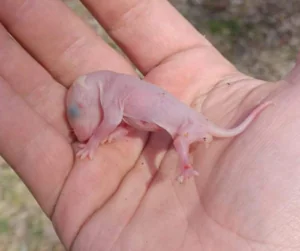
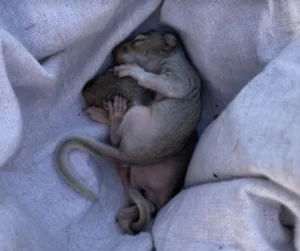
It’s important not to seal an active entry point without first making sure all squirrels are out, especially if there are young squirrels inside.
Signs of Squirrels in Your Attic
You might not actually see a squirrel enter your attic, but there are several signs that can indicate they’re living inside your home:
Scratching and scurrying noises: Squirrels are most active during the day, so you may hear them running or scratching above your ceiling in the morning.
Chewed holes around the roofline: Look for damaged soffits, fascia boards, or vents where squirrels may have created an entry point.
Damaged attic insulation: Squirrels can tear apart insulation to build nests or create paths through the attic.
Droppings and nesting materials: Squirrel droppings, leaves, twigs, and shredded insulation may be found near nesting areas.
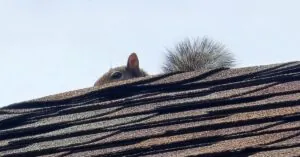
Squirrels frequently running across your roof: Seeing squirrels on your roof doesn’t necessarily mean they’re inside, but repeated activity near the same opening is worth investigating.
If you notice any of these signs, it’s a good idea to have your attic inspectedbefore the damage gets worse.
How to Keep Squirrels Out of Your Attic This Winter
The best way to prevent squirrels from getting into your attic is to make sure they don’t have an easy way inside. Check your roofline for damaged soffits, loose vents, and other openings that squirrels can use. Trimming tree branches that provide easy access to your roof can also help.
If squirrels are already inside, the entry points should only be repaired after the animals have been safely removed or excluded.
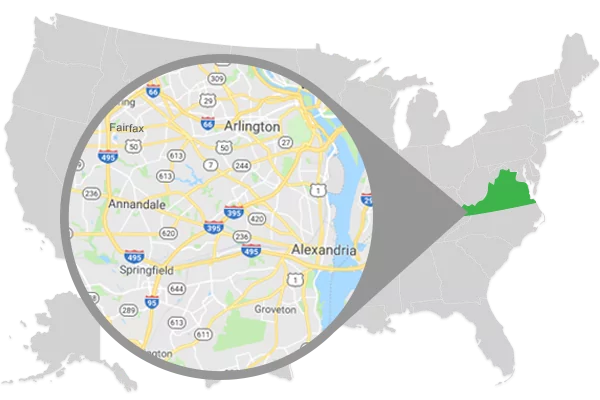
If you’re dealing with squirrels along your roofline or hearing scurrying in your attic, Summit Wildlife Removal can help. Our team provides professional squirrel removal, attic cleanup, and wildlife exclusion services throughout Northern Virginia. Contact us at 703-884-2124 or fill out our online contact form to schedule an inspection and find out how the squirrels are getting inside.