


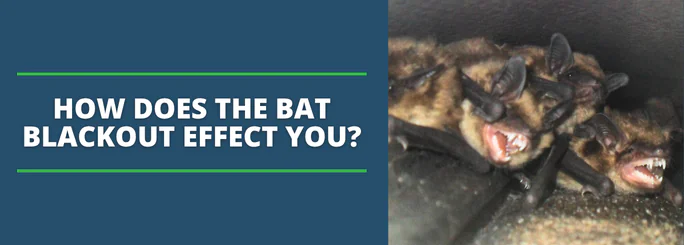
Bats and their young are protected by state and federal regulations, and there are rules that limit when wildlife removal companies and homeowners can interfere with an active bat roost. One of these restrictions affects when bat colonies can be excluded from a home. This measure helps protect young bats while also preventing bigger issues for homeowners, including trapped bats, odor, contamination, and bats entering living spaces.
If you suspect you have bats in your attic, call Summit Wildlife Removal today at 703-884-2124 or complete our contact form to schedule a professional inspection.

When Is The Bat Blackout Period?
In Virginia, the bat blackout period is from May 15 to August 15. During this time, wildlife companies, licensed professionals, and even homeowners must follow certain guidelines. The summer months are when maternal colonies are formed. This is when a group of female bats give birth and raise their young.
Bat removal during maternity season is restricted due to the risks involved. In most cases, active bat colonies cannot be excluded until the pups are old enough to fly and leave the roost on their own. Once the blackout period ends, professionals can safely resume exclusion work by installing bat valves or other one-way devices that allow bats to exit without getting back inside.
You may notice more bat activity during this time of year as maternity colonies become more active. Exact birthing seasons can vary depending on the species, but many bats in Virginia raise their young during the spring and summer months. Common maternity season ranges include:
- Little Brown Bat: June 1 to August 15
- Big Brown Bat: June 1 to August 15
- Mexican Free-Tailed Bat: May 20 to August 10
- Evening Bat: April 20 to July 15

How the Blackout Period Protects Baby Bats
Bat blackout period takes place during maternity season, when female bats give birth and raise their young. Baby bats, also called pups, can’t fly right away, so they rely on their mothers to bring them food.
If exclusion is done too early, the pups can get trapped inside the attic. This can cause them to die inside the home, creating odor, contamination, and sanitation concerns. Trapped bats may also move into wall voids, ceilings, or living areas.
Waiting until pups can fly allows the entire colony to exit safely. Once that happens, professionals can install bat valves that let bats leave without allowing them back inside.

What Can Wildlife Companies Do During Blackout Period?
During the bat blackout period, Summit Wildlife Removal can still provide some assistance to homeowners dealing with bats in their home. Our team can:
- Perform thorough inspections to identify entry points and colony size
- Assess guano buildup and contamination
- Plan and schedule safe, humane exclusions for when blackout period ends
- Install bat valves only if no pups are present (which will be determined in the inspection)
If there is a maternal colony, monitoring the situation and scheduling exclusion services for the future is all that can be done. That doesn’t mean, however, that all bat infestations must be put off. If an inspection confirms there are no pups present, the situation may be handled differently.

Signs You May Have Bats In Your Home
Most homeowners aren’t regularly checking their attic, so it’s possible that bats could have secretly moved in. There typically will be signs that bats are living inside if you know what to look for:
- Bat guano (droppings) around your home
- Sounds in your attic or behind walls
- Strong pungent smells coming from the attic
- Repeatedly seeing bats fly near your home
- Dark staining around roofline gaps, vents, or other entry points

What Homeowners Should Avoid During Blackout Period
It can be frustrating to have to wait a few months to have bats removed from your attic, and sometimes DIY removal tactics seem tempting. Unfortunately those methods can be ineffective at best, or dangerous or illegal at worst. For the safety of the bats, your home, and yourself, keep these tips in mind when dealing with a bat infestation:
- Do not seal holes or gaps
- Do not use repellents, sprays, or bright lights
- Do not install netting or one-way doors yourself
- Do not enter contaminated attic areas without proper protection
Contact a Professional For Help With Bats
Bats are great for the environment, but not in your attic. If you think you have bats, give Summit Wildlife Removal a call at 703-884-2124 or fill out our online contact form to get ahead and have a plan in place as soon as exclusions are allowed again.
Check out our video on how we perform a bat removal in the attic outside of the blackout period.