



Wildlife activity tends to spike in winter because animals are under pressure to survive colder conditions. While many homeowners assume wildlife slows down or disappears in winter, most of the species that cause attic problems remain active and become more motivated to find shelter.
Homes check every box. Heat naturally rises into the attic, creating a warmer environment than the outdoors. Attics stay dry, quiet, and protected from predators. Once wildlife finds an entry point, the attic becomes an ideal place to ride out winter weather.
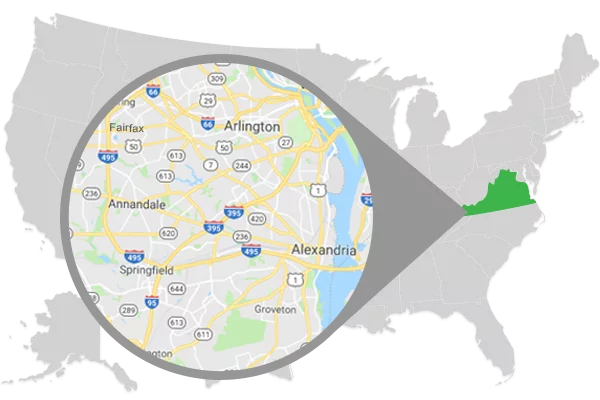
In Northern Virginia, winter temperature swings make this behavior even more common. Sudden drops in temperature often trigger animals to move quickly, which is why homeowners may start hearing activity shortly after a cold snap or snowstorm.
Winter does not slow wildlife down. It pushes them indoors.
Common Animals That Enter Attics in Winter in Northern Virginia
Several types of wildlife remain active through winter in Northern Virginia, and many of them see attics as the safest place to escape cold weather. These are the most common animals we find in attics during winter months.
Squirrels
Squirrels are one of the most frequent winter attic invaders. They stay active year-round and look for warm, enclosed spaces to nest. Attics provide shelter, insulation to burrow into, and protection from predators, especially during cold snaps and snowstorms.Raccoons
Raccoons are drawn to attics for warmth and security. While they are less active in extreme cold, they still seek out protected spaces to rest and shelter. Raccoons are strong and can cause noticeable damage to rooflines, vents, and soffits when gaining access.Mice and rats
Rodents are especially active in winter as they follow heat and food sources into homes. Even small openings can allow them into attics, where they nest in insulation and move freely through walls and ceilings.Opossums and other opportunistic wildlife
While less common, opossums and similar wildlife may enter attics when other shelter options disappear. These animals take advantage of existing openings and can cause damage if they remain undetected.
Each of these animals is motivated by the same thing in winter. Warmth, safety, and a reliable place to stay when outdoor conditions become unpredictable.
Signs Wildlife May Have Moved Into Your Attic This Winter

Wildlife activity in the attic often becomes noticeable during colder months.
Scratching, scurrying, or movement sounds
Most noticeable at night or early morning.Thumping or heavy movement
Common with larger animals like raccoons.New odors or musty smells
Often caused by nesting materials or droppings.Visible damage near the roofline
Torn vents, lifted shingles, or damaged soffits.Disturbed insulation or debris
Insulation may appear flattened or moved when accessed.Increased rodent activity indoors
Mice and rats often travel between the attic and living spaces.
If you notice one or more of these signs, wildlife may already be established in the attic.
The Risks of Ignoring Winter Wildlife Activity

Ignoring wildlife in the attic during winter often leads to bigger problems over time.
Damage to insulation
Nesting and tunneling reduce insulation effectiveness.Chewed wiring and fire risk
Rodents commonly chew electrical lines.Contamination from droppings and urine
Attic spaces can become unsanitary quickly.Ongoing noise and disruption
Activity often increases as animals settle in.Higher repair costs later
The longer wildlife remains, the more damage occurs.
Addressing wildlife activity early helps limit damage and prevent repeat issues.
Why DIY Wildlife Removal Often Makes the Problem Worse
Trying to remove wildlife from the attic on your own often creates more problems than it solves, especially during winter. Most animals that move into attics during cold weather are there because they have found warmth, shelter, and safety, so they are very unlikely to leave on their own.
Homeowners often attempt to block entry points first, not realizing the animal is still inside. This can trap wildlife in the attic, causing it to panic and tear through insulation, ductwork, or even ceilings as it tries to escape. Winter conditions also make animals more stressed and unpredictable, which increases safety risks for anyone trying to handle the situation without proper training.
Even when an animal does leave, DIY fixes rarely address how it got inside in the first place, making repeat infestations common. Professional removal focuses on removing the animal safely and preventing it from coming back, which is something DIY approaches usually miss.
Why Winter Is the Best Time for Professional Wildlife Removal

Winter offers clear advantages when it comes to solving attic wildlife problems effectively.
Animals are already inside and established
Winter is when wildlife is actively using the attic, making issues easier to confirm.Entry points are easier to identify
Cold weather reveals damage and access points more clearly.Prevents spring nesting and breeding
Removing wildlife in winter helps stop larger problems later.Limits ongoing attic damage
Early intervention reduces insulation and structural damage.Allows for proper exclusion work
Sealing entry points in winter helps prevent future invasions.
Winter removal focuses on solving the problem completely, not temporarily.
Contact Summit Wildlife Removal today at 703-884-2124 or fill out our contact form to schedule a professional inspection. Let our team handle the wildlife so you can get back to a quiet, safe, and comfortable home.
FAQ: Wildlife in the Attic During Winter
Why is wildlife more likely to enter attics during winter?
Cold weather pushes animals to look for warmth, shelter, and safety. Attics hold rising heat from the home, stay dry, and offer protection from predators and harsh weather. In Northern Virginia, winter temperature swings make attics far more reliable than trees, sheds, or ground burrows.
Do animals actually stay active during winter, or will they leave on their own?
Many animals stay active all winter. Squirrels, raccoons, mice, and rats do not fully hibernate. Once they move into an attic, they usually stay put through cold months because it provides stable conditions. Waiting rarely leads to animals leaving on their own.
What animals are most likely to invade attics in winter in Northern Virginia?
The most common winter attic invaders we see are squirrels, raccoons, mice, and rats. Squirrels often nest for warmth, raccoons look for protected shelter, and rodents follow heat and food sources. Opossums and other wildlife can also appear in certain situations.
What are the first signs wildlife has moved into my attic?
Homeowners often notice scratching, scurrying, or thumping sounds, especially at night or early morning. Other signs include new odors, insulation disturbance, droppings, or visible damage around rooflines, soffits, vents, or attic access points.
Is it dangerous to have wildlife in the attic during winter?
Yes. Wildlife can damage insulation, chew electrical wiring, contaminate attic spaces with droppings, and create fire risks. In winter, animals are more active indoors, which increases the chance of ongoing damage if the issue is not addressed.
Can I wait until spring to deal with animals in my attic?
Waiting often makes the problem worse. Animals that remain through winter can cause more damage, and spring often brings nesting or breeding activity. Addressing wildlife issues in winter helps prevent larger infestations and more costly repairs later.
Is winter a good time for wildlife removal?
Winter is actually one of the best times for wildlife removal. Animals are easier to locate, entry points are more visible, and removing them before spring helps prevent future nesting. Professional removal during winter also allows for proper exclusion work to stop re-entry.
Why is DIY wildlife removal risky in cold weather?
Blocking entry points without removing the animal can trap wildlife inside, leading to increased damage as they try to escape. Cold weather also makes animals more desperate, which raises safety risks for homeowners. Professional removal ensures animals are removed safely and legally.
How does professional wildlife removal work in winter?
A winter wildlife inspection identifies the species involved, where it entered, and what damage has occurred. The animal is removed using humane methods, followed by sealing entry points to prevent re-entry. The goal is to resolve the problem completely, not temporarily.
Will wildlife come back after removal if the attic is not sealed?
Yes. If entry points are not properly sealed, wildlife often returns or new animals move in. Long term solutions always include exclusion work to secure the attic and prevent future invasions.
When should I call a wildlife professional?
If you hear noises, notice attic damage, or suspect wildlife activity during winter, it is best to call as soon as possible. Early intervention limits damage and makes removal more straightforward.
Why Homeowners Trust Summit Wildlife Removal

Homeowners across Northern Virginia trust Summit Wildlife Removal because we focus on solving wildlife problems the right way. We identify the animal, remove it safely, and secure the attic to prevent it from happening again. Our team understands local wildlife behavior, seasonal patterns, and the damage these animals can cause if left unaddressed.
Contact Summit Wildlife Removal today at 703-884-2124 or fill out our contact form to schedule a professional inspection. Let our team handle the wildlife so you can get back to a quiet, safe, and comfortable home.