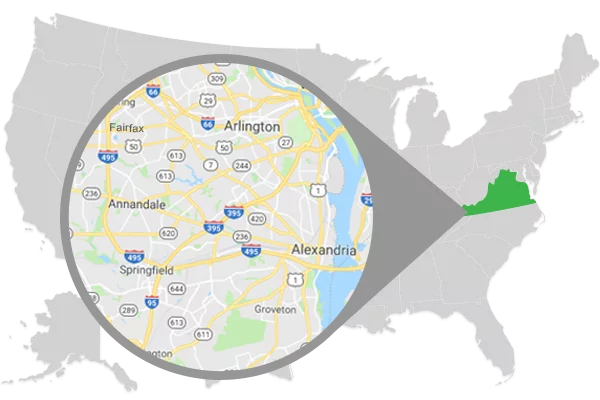




As winter approaches in Arlington and across Northern Virginia, wildlife begins searching for warm, protected places to shelter from the cold – and homes often become an easy target. Small openings, quiet interior spaces, and nearby food sources can all make a house more appealing to animals looking to get through the colder months. Keeping wildlife out is important not only to protect your home from damage and odors, but also to reduce potential health and safety risks for your family. By taking the right prevention steps early, you can make your home far less inviting to wildlife this winter and avoid problems later in the season.
If you’re looking to prevent wildlife from entering your home this winter, or you’re in need of wildlife removal services, call Summit Wildlife Removal today at 703-884-2124 or fill out our contact form to schedule a FREE inspection!
Why Winter Wildlife Is Common in Arlington, VA
Arlington’s mix of mature trees, neighborhood parks, and older home designs creates ideal conditions for winter wildlife activity. Animals like squirrels, raccoons, mice, rats, foxes, and even bats remain active throughout the colder months and often turn to nearby homes for warmth and shelter as natural food sources become harder to find. Attics, chimneys, crawl spaces, basements, and wall voids provide the protection these animals need to get through winter. Understanding how wildlife gains access and what attracts them to homes in winter can help homeowners take the right steps to keep animals out.

Tip 1: Secure the Most Common Entry Points First
Most wildlife gets into homes through a handful of exterior access points. In Northern Virginia, especially in older Arlington neighborhoods, normal wear and tear can create small openings that animals take advantage of during colder months.
Focus on securing these main entry points:
- Rooflines, soffits, and fascia: Loose boards, rotted trim, and small gaps along the roof edge allow animals to force their way into attics and wall voids. These areas should be reinforced and sealed with durable, chew-resistant materials.
- Attic vents, exhaust vents, and chimney exteriors: Unscreened attic vents, dryer or bathroom exhaust vents, and uncapped chimneys provide direct access into warm interior spaces. Installing wildlife-grade vent screens and chimney caps blocks entry while still allowing proper airflow.
- Crawl space openings and vents: Damaged crawl space doors, open vents, or gaps near the foundation make it easy for rodents and other wildlife to get underneath the home. Securing and screening these openings closes off one of the most common ground-level entry points.
- Openings around utility lines: Spaces where cables, wires, and pipes enter the home often have gaps wide enough for mice or rats to slip through to get into areas like wall voids, crawl spaces and basements. Sealing these openings with rodent-resistant materials helps close off access points without damaging the utility lines.
Focusing on these exterior access points helps stop wildlife at the source and avoids bigger issues later on.
Tip 2: Remove Indoor Conditions That Attract Wildlife
Wildlife tends to settle in places that feel safe, comfortable, and undisturbed during the colder months. When a home offers the right conditions, animals are more likely to stick around, which is why it’s important to address these issues early, before wildlife becomes established.
Common indoor attractants to address include:
- Worn or uneven insulation: Settled or damaged insulation can leave gaps and nesting material that attract wildlife. Replacing it helps seal heat leaks and makes the attic far less appealing to animals.
- Moisture problems inside the home: Damp crawl spaces or basements as well as humid attic areas attract rodents and other pests. Sealing, encapsulating, and improving ventilation helps keep these spaces dry and less appealing.
- Stored items and clutter: Boxes, stored belongings, and debris in attics, basements or crawl spaces create quiet, undisturbed areas where wildlife can hide or build nests. Keeping these spaces clear reduces hiding spots and discourages wildlife from settling in.
Removing these indoor attractants makes it much harder for wildlife to settle in long-term and lowers the chance of lasting damage or disruption.

Tip 3: Reduce Outdoor Attractants Around Your Home
Wildlife issues often start outside, where animals search for places that feel safe and familiar. If your yard provides easy access to food or cover, wildlife is more likely to stay nearby and explore the structure itself. Making small changes outdoors can help lower that activity and reduce the chances of animals getting too close.
Here are a few outdoor attractants to be aware of:
- Trash, recycling, and compost: Loose lids and food odors attract raccoons, rats, and foxes, especially during winter when natural food sources are limited. Use tight-fitting lids, store bins away from the house, and avoid leaving trash out overnight when possible.
- Outdoor food and water sources: Pet food, water bowls, and spilled birdseed quickly draw rodents and other wildlife close to your home. Bring pet bowls inside after feeding and clean up any spilled seed or food around feeding areas.
- Yard debris and tree access: Fallen fruit, dense shrubs, and tree limbs close to the roofline provide both food and easy access to entry points. Regularly clear debris and trim branches back several feet from the home to limit access.
Keeping your yard clean and free of food sources makes your property less attractive to wildlife during colder months and discourages animals from trying to enter your home in the first place.
Tip 4: Schedule a Professional Winter Wildlife Inspection
Even well-maintained homes can have hidden vulnerabilities. Wildlife professionals are trained to spot small gaps, weakened materials, and overlooked entry points that are especially common in older homes and wooded neighborhoods in Arlington and surrounding areas.
A wildlife exclusion professional can:
- Identify hidden entry points: Technicians know where wildlife commonly gets in and can find small gaps or weak spots homeowners often miss.
- Seal and reinforce vulnerable areas: Wildlife-resistant materials are used to close openings and strengthen areas animals may try to reopen.
- Install long-term exclusion solutions: Vent screens, chimney caps, and crawl space barriers help block access while allowing proper airflow.
Contact the wildlife removal and wildlife exclusion professionals at Summit Wildlife Removal for your FREE estimate at 703-884-2124 or submit a contact form today!
BEST Wildlife Exclusion & Wildlife Removal Service in Arlington, VA
If you want to keep wildlife out of your home this winter, or think animals may already be inside, our team is here to help. Summit Wildlife Removal provides complete wildlife removal and exclusion services in Arlington and across Northern Virginia, including:
- Thorough home inspections
- Humane wildlife removal
- Exclusion repairs and sealing
- Long-term prevention solutions for attics, crawl spaces, and rooflines
Our goal is to keep your home safe, clean, and protected all winter long. Call Summit Wildlife Removal today at 703-884-2124 or submit a contact form to schedule your FREE estimate today!